
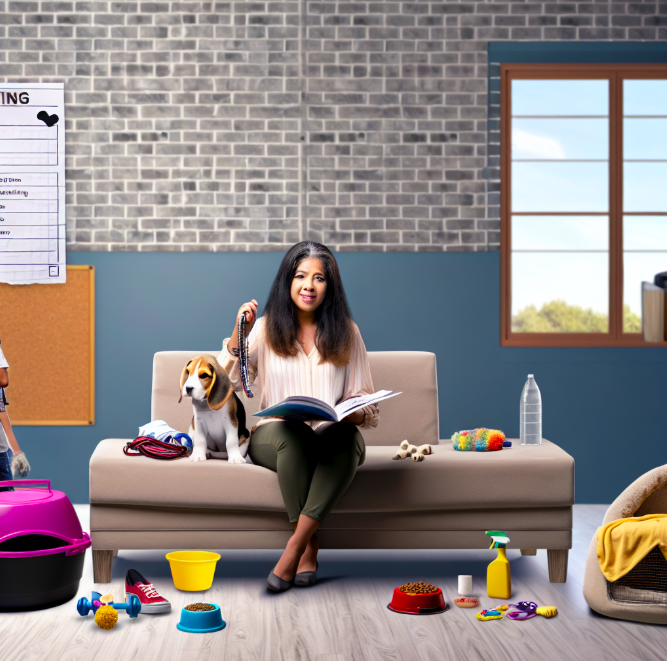
10 Things Every New Dog Owner Should Know Before Bringing Home a Pup
10 things every new dog owner should know include the importance of understanding canine behavior. Getting a new puppy is exciting, but it also comes with responsibilities. Dogs have natural instincts, like marking their territory, passed down from their wild ancestors. Recognizing these behaviors will help you create a safe and comfortable environment. Patience and consistency are essential for a happy and well-adjusted pup.
Vet visits are really important. Regular check-ups help catch health issues early. You should aim for at least one vet visit a year. Puppies need more frequent visits during their first year for vaccinations. This helps ensure they grow up healthy and strong.  Your puppy’s diet is crucial for their development. Feed your pup high-quality dog food that’s suited to their age and breed. Avoid giving them human food, as some can be toxic. Make sure they have plenty of fresh water all the time. Healthy meals and proper hydration lead to a happy, energetic puppy.
Socialization is essential for a well-behaved dog. Introduce your puppy to different people, places, and other animals. This helps them become confident and less fearful. Playdates with other dogs can be particularly beneficial. The more positive experiences they have, the better they will adapt to new situations.
Your puppy’s diet is crucial for their development. Feed your pup high-quality dog food that’s suited to their age and breed. Avoid giving them human food, as some can be toxic. Make sure they have plenty of fresh water all the time. Healthy meals and proper hydration lead to a happy, energetic puppy.
Socialization is essential for a well-behaved dog. Introduce your puppy to different people, places, and other animals. This helps them become confident and less fearful. Playdates with other dogs can be particularly beneficial. The more positive experiences they have, the better they will adapt to new situations.
 Introducing your puppy to a variety of experiences prevents fear later on. Take them on walks to diverse environments or meet with other dogs. Ensure these experiences are positive and encouraging. A well-socialized puppy is less likely to develop anxiety or behavioral issues. Consistent exposure can build resilience and adaptability.
Here’s a handy checklist to guide your socialization efforts:
Introducing your puppy to a variety of experiences prevents fear later on. Take them on walks to diverse environments or meet with other dogs. Ensure these experiences are positive and encouraging. A well-socialized puppy is less likely to develop anxiety or behavioral issues. Consistent exposure can build resilience and adaptability.
Here’s a handy checklist to guide your socialization efforts:
 Puzzle toys challenge your pup’s mind. These toys hide treats and encourage problem-solving. They are a great way to provide mental exercise. For example, treat-dispensing balls and interactive puzzles keep their brains sharp. Engaging their mind is just as important as physical activity.
Ensure you choose toys that are size-appropriate for your puppy. Small toys may pose choking hazards for bigger pups. On the other hand, larger toys might be hard for a tiny puppy to handle. Consult this table to find suitable sizes: Dog SizeToy Size SmallExtra Small MediumSmall to Medium LargeLarge to Extra Large
Rotating toys regularly adds excitement. By swapping out toys, you keep your pup curious and interested. This tactic helps maintain high levels of engagement. A happy, stimulated puppy is a content one. Picking the right toys is just one more way to show your pup love and enrich their environment.
Puzzle toys challenge your pup’s mind. These toys hide treats and encourage problem-solving. They are a great way to provide mental exercise. For example, treat-dispensing balls and interactive puzzles keep their brains sharp. Engaging their mind is just as important as physical activity.
Ensure you choose toys that are size-appropriate for your puppy. Small toys may pose choking hazards for bigger pups. On the other hand, larger toys might be hard for a tiny puppy to handle. Consult this table to find suitable sizes: Dog SizeToy Size SmallExtra Small MediumSmall to Medium LargeLarge to Extra Large
Rotating toys regularly adds excitement. By swapping out toys, you keep your pup curious and interested. This tactic helps maintain high levels of engagement. A happy, stimulated puppy is a content one. Picking the right toys is just one more way to show your pup love and enrich their environment.
 Your puppy’s diet is crucial for their development. Feed your pup high-quality dog food that’s suited to their age and breed. Avoid giving them human food, as some can be toxic. Make sure they have plenty of fresh water all the time. Healthy meals and proper hydration lead to a happy, energetic puppy.
Socialization is essential for a well-behaved dog. Introduce your puppy to different people, places, and other animals. This helps them become confident and less fearful. Playdates with other dogs can be particularly beneficial. The more positive experiences they have, the better they will adapt to new situations.
Your puppy’s diet is crucial for their development. Feed your pup high-quality dog food that’s suited to their age and breed. Avoid giving them human food, as some can be toxic. Make sure they have plenty of fresh water all the time. Healthy meals and proper hydration lead to a happy, energetic puppy.
Socialization is essential for a well-behaved dog. Introduce your puppy to different people, places, and other animals. This helps them become confident and less fearful. Playdates with other dogs can be particularly beneficial. The more positive experiences they have, the better they will adapt to new situations.
1. Understanding Canine Behavior
Dogs communicate in ways different from humans, mostly using body language and vocal cues. A wagging tail doesn’t always mean a happy dog; it can signify excitement or nervousness. Their ears, eyes, and posture reveal their emotions. For example, a dog with a relaxed body is likely comfortable and at ease. Recognizing these signs helps to foster a stronger bond with your pup. It’s crucial to understand your dog’s pack mentality. Wild ancestors lived in packs, creating hierarchies that ensured survival. Your dog may look to you as the leader when at home. Consistency in training helps establish your role, encouraging your dog to follow commands. By being clear and firm, you promote good behavior. Play is not just fun; it’s essential for learning. Through play, dogs practice hunting skills and social interaction. It also helps them burn off energy, reducing the likelihood of destructive behaviors. Use toys that challenge them mentally and physically. This enriches their environment and keeps them engaged. Sometimes dogs may display unwanted behaviors like barking or chewing. These actions usually stem from boredom or stress. Address them early with training and positive reinforcement. Set aside time for daily walks and exercise. This keeps them happy and your home peaceful.2. The Importance of Regular Vet Visits
Regular vet visits are crucial for your dog’s health. They help catch potential issues before they become serious problems. These check-ups often include vaccinations, which protect against diseases. A vet can also guide you on proper nutrition and exercise. Keeping track of your pet’s health ensures a happier, longer life. During a typical vet visit, your dog will undergo several checks. The vet will examine your dog’s ears, eyes, and teeth. They may also check your dog’s weight and temperature. This comprehensive approach helps identify any hidden health concerns. Early detection can save your dog from unnecessary pain and complications. Puppies need more frequent visits than adult dogs. This is because they are in a critical stage of growth and development. Your vet will outline a specific schedule for vaccinations and health checks. As your dog grows older, the vet may recommend changes to visit frequency. Sticking to this schedule is vital for overall well-being. Regular visits also help build a trusting relationship between your dog and the vet. Dogs that are comfortable with the vet are less stressed during examinations. This makes the process smoother for everyone involved. Over time, your vet will get to know your dog well. This familiarity allows for tailored health advice that suits your pet’s unique needs.3. Suitable Diet for Your Pup
Feeding your pup the right diet is one of the most important things you can do. Puppies need a balance of protein, fat, and carbohydrates for growth and energy.- Look for puppy-specific food labeled “complete and balanced.”
- Choose a reputable brand with high-quality ingredients.
- Avoid foods with artificial additives and fillers.
4. Importance of Socialization for Puppies
Socialization is a key cornerstone in a puppy’s development. It involves exposing your pup to different people, places, and sounds. This helps them become well-adjusted and confident. The ideal period for socialization is between 3 and 14 weeks of age. During this time, experiences shape your pup’s behavior and reactions. Introducing your puppy to a variety of experiences prevents fear later on. Take them on walks to diverse environments or meet with other dogs. Ensure these experiences are positive and encouraging. A well-socialized puppy is less likely to develop anxiety or behavioral issues. Consistent exposure can build resilience and adaptability.
Here’s a handy checklist to guide your socialization efforts:
Introducing your puppy to a variety of experiences prevents fear later on. Take them on walks to diverse environments or meet with other dogs. Ensure these experiences are positive and encouraging. A well-socialized puppy is less likely to develop anxiety or behavioral issues. Consistent exposure can build resilience and adaptability.
Here’s a handy checklist to guide your socialization efforts:
- Meet different types of people: adults, kids, and seniors.
- Experience various environments: parks, streets, and cars.
- Hear different sounds: traffic, vacuum cleaner, and thunder.
- Engage with other animals: dogs, cats, and birds.
5. Training Your Pup – Setting roles and boundaries
Setting roles and boundaries is key for a well-behaved dog. From the start, establish yourself as the leader. Dogs respect clear guidelines and feel more secure with consistency. Use simple commands like “sit” and “stay,” rewarding them for good behavior. Training is not just about rules but creating a bond. Boundaries help define acceptable behavior at home. Use gates or designated areas to limit access. This approach helps in preventing unwanted incidents like chewing furniture. Consistent reinforcement of these boundaries is essential. Over time, your pup will learn the house rules. Creating a daily routine enhances training effectiveness. Set specific times for feeding, walking, and playing. Dogs thrive on structure and predictability. A routine helps reinforce learning and reduces confusion. It lays the groundwork for a harmonious household. Training isn’t a one-time activity; it requires patience and repetition. Puppies, like kids, need time to learn. Stay calm when mistakes happen. Celebrate their progress with praise and treats. This positive approach encourages them to learn quickly. Consider using a table to track training progress. CommandMastered SitYes StayNo ComeYes This visual aid helps you see improvements. Adjust training exercises based on what’s been mastered. Enrolling in puppy training classes can also be beneficial. These classes offer professional guidance and socialization. They provide a controlled environment to practice commands. Additionally, classes are an opportunity to meet other dog owners. Sharing experiences can be both educational and reassuring.6. The Necessity of Regular Exercise
Exercise is crucial for your pup’s overall health and happiness. Regular activity helps maintain a healthy weight and prevents obesity. Dogs naturally have a lot of energy to burn, which exercise channels positively. Without it, your dog might develop destructive habits. A daily walk or play session is essential. The type of exercise depends on your dog’s breed and age. Some dogs require vigorous activities like running or agility training. Others may thrive with gentler exercises such as walking or fetch games.- Labrador Retrievers: Enjoy swimming and playing fetch.
- Beagles: Love long walks and exploring scent trails.
- Bulldogs: Prefer short, easy strolls.
7. Understanding your Pup’s Emotional Needs
Recognizing your pup’s emotional needs is crucial for their well-being. Dogs have complex feelings, experiencing joy, fear, and even anxiety. Paying attention to body language helps you understand them better. A wagging tail isn’t always happy; context matters. Providing a supportive environment supports their emotional health. Like humans, dogs need companionship and affection. Isolation can lead to loneliness and stress. Spending quality time together through play or cuddling strengthens your bond. Providing a safe space where they can retreat when feeling overwhelmed is beneficial. This nurtures their sense of security and attachment. Meeting emotional needs isn’t just about presence but also praise and encouragement. Rewarding good behavior with treats or kind words makes them feel valued. Positive reinforcement shapes confident and happy pups. Creating routines can also offer stability. A predictable schedule fosters trust and comfort. Changes in behavior often indicate unmet emotional needs. Signs like excessive barking or chewing may reveal stress or boredom. Address these signs promptly with increased interaction or mental stimulation. Adequate socialization with other people or dogs alleviates anxiety. Engaging in activities meets both physical and emotional demands. A table can assist in tracking emotional well-being: EmotionSigns HappyRelaxed body, playful StressedPanting, hiding FearfulCowering, shaking Identifying these helps you respond appropriately. Building understanding strengthens the emotional bond. Understanding your pup’s emotions enriches your life together. This awareness helps deter potential problems before they escalate. By catering to these emotional needs, you ensure a happy, healthy pup. Mutual respect and compassion make for the best companionship. Engaging fully with their emotions adds another layer of connection on your shared journey.8. The Need for Consistency in Training and Schedule
Consistency is the backbone of effective puppy training. Dogs thrive on routine, and knowing what to expect helps them learn quickly. When you maintain a regular schedule for meals, walks, and play, your pup understands what behavior is expected. This reduces confusion and reinforces training goals. Predictable routines also provide comfort and security. Using the same commands and rewards system strengthens learning. Mixing up instructions can confuse your pup, slowing down progress. Stick to specific words for each command, like “sit,” “stay,” or “come.” Reward good behavior promptly with treats or praise. This method helps reinforce the desired outcome. A structured schedule benefits your pup in other ways, too. For instance, setting fixed meal times helps regulate their digestion.- Morning: Walk and breakfast
- Afternoon: Playtime and lunch
- Evening: Walk and dinner
9. Picking the Right Toys for Your Pup
Choosing the right toys for your puppy is essential for their development. Every pup is different, so consider their size, breed, and energy levels. Puppies need toys that offer both physical and mental stimulation. These toys keep them engaged and help avoid destructive behaviors. A variety of toys ensures your pup never gets bored. Chew toys are a must for teething puppies. They help soothe sore gums and prevent puppies from nibbling on furniture. Look for durable, non-toxic options that can withstand strong jaws.- Rubber toys: Durable and safe.
- Nylon bones: Great for strong chewers.
- Rope toys: Ideal for fetching and tugging.
 Puzzle toys challenge your pup’s mind. These toys hide treats and encourage problem-solving. They are a great way to provide mental exercise. For example, treat-dispensing balls and interactive puzzles keep their brains sharp. Engaging their mind is just as important as physical activity.
Ensure you choose toys that are size-appropriate for your puppy. Small toys may pose choking hazards for bigger pups. On the other hand, larger toys might be hard for a tiny puppy to handle. Consult this table to find suitable sizes: Dog SizeToy Size SmallExtra Small MediumSmall to Medium LargeLarge to Extra Large
Rotating toys regularly adds excitement. By swapping out toys, you keep your pup curious and interested. This tactic helps maintain high levels of engagement. A happy, stimulated puppy is a content one. Picking the right toys is just one more way to show your pup love and enrich their environment.
Puzzle toys challenge your pup’s mind. These toys hide treats and encourage problem-solving. They are a great way to provide mental exercise. For example, treat-dispensing balls and interactive puzzles keep their brains sharp. Engaging their mind is just as important as physical activity.
Ensure you choose toys that are size-appropriate for your puppy. Small toys may pose choking hazards for bigger pups. On the other hand, larger toys might be hard for a tiny puppy to handle. Consult this table to find suitable sizes: Dog SizeToy Size SmallExtra Small MediumSmall to Medium LargeLarge to Extra Large
Rotating toys regularly adds excitement. By swapping out toys, you keep your pup curious and interested. This tactic helps maintain high levels of engagement. A happy, stimulated puppy is a content one. Picking the right toys is just one more way to show your pup love and enrich their environment.
10. Ensuring Your Home is Puppy-Proof
Puppy-proofing your home creates a safe space for your furry friend. Curious pups explore with their mouths, which can lead to accidents. Start by securing loose wires and cables, as they often attract chewing. Cover outlets to prevent electrical shocks and secure heavy items that might topple. A little prevention goes a long way. Common household items can be dangerous for puppies. Ensure cleaning supplies and medicines are stored out of reach. Use child-proof locks on lower cabinets for added safety. Keep small objects like coins and toys off the floor. This reduces choking risks and keeps your pup out of trouble. Toxic plants in your home or yard can pose serious threats. Remove or fence off plants like lilies, azaleas, and poinsettias.- Lilies: Highly toxic and can cause kidney failure.
- Azaleas: Consuming even a small amount can lead to vomiting.
- Poinsettias: Less toxic but can cause irritation if ingested.