What Does It Mean When a Dog Growls—Is It Always Aggression?
Canine communication is a fascinating and complex world, often misunderstood by humans. One of the most frequent misinterpretations involves a dog’s growl. Many people automatically assume it signals imminent aggression, but this is not always the case.
Growling can have several meanings including playfulness, discomfort, or fear. Understanding the context and body language accompanying the growl is crucial. Interestingly, a study revealed nearly 60% of growling dogs were responding to fear rather than aggression. A dog growling isn’t always a sign of aggression; it can also signal fear, pain, playfulness, or discomfort. Context and accompanying body language are vital for interpretation. Experts stress observing the specific situation to determine if the growl is defensive, playful, or due to another reason.What Does It Mean When a Dog Growls—Is It Always Aggression?
When you hear a dog growling, it’s easy to think they’re being aggressive. But that’s not always true. Dogs use growling as a form of communication. They might be telling you they’re scared, in pain, or even playing. It’s essential to consider the context to understand what they mean. Growling can occur in different scenarios. For instance, a dog might growl if they feel threatened or defensive. They could also growl during rough play with other dogs or people. Each situation can change the meaning of the growl. Recognizing these cues helps in understanding them better.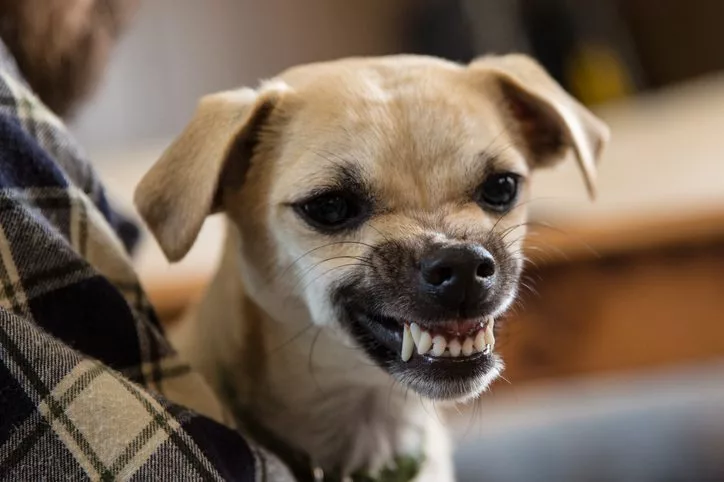 Observing a dog’s body language can give more insights. If a dog growls while wagging its tail, it might be playful. On the other hand, growling with raised fur and bared teeth usually means they’re not comfortable. Learn to read these signs to gauge their feelings.
Responding properly to a dog’s growl is important. Never punish growling as it’s a dog’s way of communicating. Ignoring their growl might lead to biting. Instead, pay attention to what’s bothering them and address the issue. This approach builds trust and ensures safety for everyone.
Observing a dog’s body language can give more insights. If a dog growls while wagging its tail, it might be playful. On the other hand, growling with raised fur and bared teeth usually means they’re not comfortable. Learn to read these signs to gauge their feelings.
Responding properly to a dog’s growl is important. Never punish growling as it’s a dog’s way of communicating. Ignoring their growl might lead to biting. Instead, pay attention to what’s bothering them and address the issue. This approach builds trust and ensures safety for everyone.
Decoding a Dog’s Growl: More Than Just Aggression
A dog’s growl is a form of communication, not just a sign of aggression. They use growling to express various emotions like fear, frustration, and excitement. For example, a dog might growl if they feel cornered. It’s their way of saying they need space. Recognizing these subtle differences helps in understanding their mood. Sometimes dogs growl during play. This playful growl is usually accompanied by a wagging tail. It might sound fierce, but it’s part of their natural behavior. Dogs often growl when they’re having fun, especially during tug-of-war games. Knowing this can prevent unnecessary worries about aggression. There are also times when dogs growl to signal discomfort or pain. A dog with an injury might growl if touched near the sore spot. Similarly, growling can occur if they’re anxious about a particular situation. Understanding these cues can help in providing better care for them. To decode a dog’s growl correctly, pay attention to their overall body language. Look for signs like a relaxed or tensed body. Notice the position of their ears and tail. This combined observation will give a clearer picture of what they are trying to communicate. Properly interpreting these signals ensures a better relationship with your dog.Different Types of Growls and Their Meanings
Dogs have various types of growls, each conveying a different message. A playful growl is usually soft and accompanied by wagging tails. This type of growl often happens during interactive games. It signals that the dog is having fun. Recognizing this growl helps in distinguishing playfulness from aggression. Another type of growl is the warning growl. This growl sounds deeper and might come with a tucked tail. It means the dog feels threatened or uneasy. They use it to ask for more space. Paying attention to this growl can prevent potential conflicts. Pain-related growls are yet another category. Dogs growl when they are hurt or feeling unwell. This growl is often accompanied by a specific action, like guarding a body part. Identifying this can assist in providing timely care to your pet. Understanding the context helps in addressing their needs efficiently. Lastly, there’s the territorial growl. Dogs use this to protect their territory or possessions. This growl is usually loud and continuous. It means they are guarding something valuable to them. Knowing the different growls can improve how you interact with your dog, ensuring a harmonious relationship.Situational Analysis: Understanding Contexts Behind Growling
Understanding the context behind a dog’s growl is crucial for accurate interpretation. A growl while eating might indicate resource guarding. The dog is protecting its food, and this behavior is natural. It’s essential to approach slowly and not disrupt the dog’s meal. Respecting their space can reduce growling incidents. Growling can also occur during interactions with strangers. A dog might growl when an unfamiliar person enters the home. This growl is often a warning and a sign of feeling defensive. Watching the dog’s body language helps in understanding this situation. Calm and slow introductions can ease their anxiety. Another common context for growling is at the vet’s office. Dogs often growl when they are frightened or in discomfort during check-ups. This growl is their way of expressing fear or pain. Being patient and soothing them can make these visits less stressful. Positive reinforcement can also help them feel more comfortable. Situations involving other dogs can lead to growling too. A dog might growl if another dog invades its space. This behavior is a signal to back off and is part of normal dog communication. Supervising their interactions can prevent conflicts. Recognizing these signals improves their social experiences.
Growling might happen during play with family members. Sometimes, dogs growl while playing tug-of-war or chase games. This growl is usually playful and not a cause for concern. It’s important to discern this from aggressive growling. Understanding these different contexts ensures better communication with your dog.
Another key context to observe is during resting periods. Dogs might growl if disturbed while resting or sleeping. They are simply signaling their need to rest undisturbed. Allowing them a quiet place can reduce such growling. Awareness of these contexts leads to a harmonious relationship.
Situations involving other dogs can lead to growling too. A dog might growl if another dog invades its space. This behavior is a signal to back off and is part of normal dog communication. Supervising their interactions can prevent conflicts. Recognizing these signals improves their social experiences.
Growling might happen during play with family members. Sometimes, dogs growl while playing tug-of-war or chase games. This growl is usually playful and not a cause for concern. It’s important to discern this from aggressive growling. Understanding these different contexts ensures better communication with your dog.
Another key context to observe is during resting periods. Dogs might growl if disturbed while resting or sleeping. They are simply signaling their need to rest undisturbed. Allowing them a quiet place can reduce such growling. Awareness of these contexts leads to a harmonious relationship.