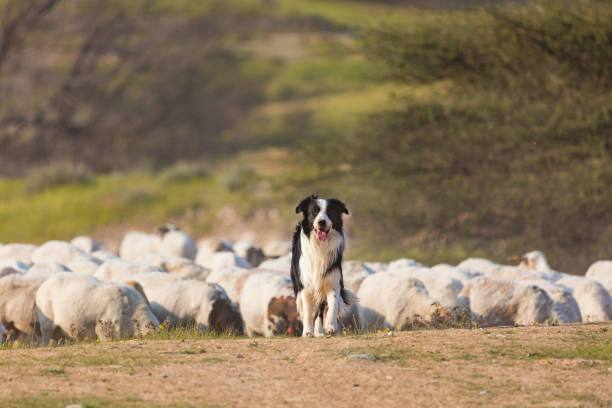
What if I told you that some of the most dedicated workers in Lubbock’s agricultural history walked on four legs? Indeed, dogs have played an indispensable role in supporting the vast agricultural endeavors of the region. Herding sheep, protecting livestock from predators, and aiding in various farm tasks are just some of the ways these loyal companions have proved their worth.
From the early days of settlement to the modern era, dogs have been integral to the farming communities of Lubbock. Their herding abilities, particularly with cattle, were crucial in a region where ranching is a significant industry. Furthermore, studies show that livestock protection dogs can reduce predator attacks by up to 65%, showcasing their undeniable impact on agricultural productivity.
Dogs have been invaluable in Lubbock, Texas’ agricultural heritage by herding cattle and sheep, guarding livestock from predators, and assisting with various farm tasks. Breeds like Border Collies and Great Pyrenees have proven essential due to their intelligence, agility, and protective instincts, reflecting the deep bond between farmers and their canine companions.
The Role of Dogs in Lubbock’s Agricultural Heritage
In Lubbock, Texas, dogs have been vital partners in agriculture for generations. These loyal animals have helped farmers in numerous ways. One of their primary roles has been herding. Whether it’s cattle or sheep, herding dogs ensure the animals move efficiently. This keeps the livestock safe and makes farm operations smoother.
Beyond herding, dogs are essential for protecting livestock. Farmers rely on them to guard against predators like coyotes and other wild animals. Certain dog breeds are specially trained for this task. Their presence deters potential threats. This protective role is crucial for maintaining farm productivity and animal welfare.
Historically, specific breeds like the Border Collie and the Great Pyrenees have been favorites among farmers in Lubbock. Border Collies are known for their intelligence and agility, making them exceptional herders. Great Pyrenees, on the other hand, are excellent at guarding livestock. These breeds have become invaluable assets in the region’s agricultural landscape. They continue to be highly regarded by local farmers.
Today, the tradition of using dogs in agriculture remains strong. However, modern challenges and advancements have shaped their roles. Farms are larger, and technology has changed some tasks. Yet, the bond between farmers and their dogs endures. Dogs continue to be loyal helpers on the sprawling farms of Lubbock.
Historic Contributions of Canine Companions in Farming
For centuries, dogs have been indispensable in farming communities. They have provided both practical support and companionship. Early settlers recognized the value of dogs in managing their livestock. Dogs helped control and direct cattle, making it easier for farmers to manage their herds. This symbiotic relationship has stood the test of time.
In Lubbock, Texas, the role of dogs in agriculture traces back to the region’s early development. Farmers needed reliable helpers to deal with expansive prairies. Dogs were trained to herd cattle and sheep. They were also used to pull small wagons and transport goods. This historical partnership laid the foundation for modern farming practices.
Border Collie
The breeds most commonly used for these tasks included Border Collies and Australian Shepherds. These breeds were highly valued for their intelligence and working abilities. Their keen instincts made them perfect for the demanding tasks of herding and protection. They quickly became essential members of the farming community. Today, their legacy continues to influence the agricultural practices in Lubbock.
Additionally, dogs played a role in guarding the farms. They protected livestock from predators, thereby ensuring the safety of the herd. Farmers often relied on breeds like the Great Pyrenees for this crucial task. These dogs’ constant vigilance was invaluable, providing peace of mind to the farmers. Historical records highlight numerous accounts of dogs successfully fending off threats, proving their worth.
The Impact of Herding Dogs on Cattle and Sheep Ranching
Herding dogs greatly influence cattle and sheep ranching. These intelligent animals have been trained for generations to manage livestock. Their natural instincts and agile movements make them ideal for this work. Without herding dogs, farmers would struggle to control large herds. This makes these dogs invaluable on any ranch.
In ranching, herding dogs maintain the flow and movement of animals. They help guide cattle and sheep to different pastures. This is crucial for the proper rotation of grazing fields. It ensures the animals have fresh grass to eat, promoting healthier livestock. Herding dogs also prevent the animals from wandering off and getting lost.
Certain breeds have become synonymous with herding tasks. For instance, Border Collies are renowned for their quick reflexes and keen intelligence. Australian Shepherds are also popular for their herding abilities. These dogs come from a long line of working animals. Their herding skills are often considered second to none.
Using herding dogs significantly reduces the time and labor required for ranching. One dog can often do the work of several people. This efficiency translates to cost savings for farmers. It also minimises the stress experienced by the livestock. Happy and healthy animals contribute to a more productive ranch.
Livestock Protection: The Role of Guard Dogs
Guard dogs play a crucial role in livestock protection. Their primary job is to safeguard animals from predators. In areas like Lubbock, Texas, threats such as coyotes and wild boars are common. Guard dogs act as a deterrent, making predators think twice before approaching. This ensures the safety and well-being of the livestock.
Great Pyrenees
These dogs are not just any breed but are specifically chosen for their protective traits. Breeds like the Great Pyrenees and Anatolian Shepherds are popular choices. These dogs are large and strong, with a natural instinct to guard. They form close bonds with the animals they protect. This relationship helps them sense when something is wrong.
Guard dogs live among the livestock, which helps them integrate well. Their presence among the animals creates a familiar and secure environment. This constant vigilance is vital for early detection of threats. If a predator approaches, the guard dog will bark loudly. This noise can scare off the intruder or alert the farmer.
Training is an essential part of preparing guard dogs for their role. Puppies are often introduced to livestock at a young age. This early exposure helps them get used to the animals they will protect. Training focuses on developing their natural guarding instincts. It also ensures that they will not harm the livestock they are meant to protect.
The effectiveness of guard dogs can be seen in reduced losses of livestock. Studies have shown that using guard dogs can decrease predator attacks by up to 65%. This makes them a valuable asset to farmers. They help maintain the safety and productivity of the farm. The presence of a guard dog gives peace of mind to the farmer.
The Evolution of Dog Breeds in Agricultural Lubbock
The agricultural landscape of Lubbock, Texas, has influenced the evolution of dog breeds over time. Early settlers brought dogs that were hardworking and resilient. These dogs had to adapt to the unique challenges of the region. The open prairies and harsh weather required specific traits. Breeds that thrived were those with strong herding and guarding instincts.
Over the years, selective breeding played a significant role. Farmers focused on enhancing traits that benefitted their agricultural needs. Border Collies and Australian Shepherds became popular for their herding abilities. These breeds were chosen for their intelligence and agility. They were indispensable in managing large herds of cattle and sheep.
The Great Pyrenees and Anatolian Shepherds were favoured for livestock protection. These breeds were known for their size and strength. They could deter predators effectively. Their natural guarding instincts made them perfect for the job. This selective breeding ensured that only the best traits were passed down.
Modern agricultural practices have also influenced breed evolution. With larger farms, there was a need for dogs that could cover more ground. This led to the development of breeds with better endurance. Technological advancements have changed some tasks, but the core qualities of these dogs remain the same.
The bond between farmers and their dogs has remained strong. Despite changes in farming methods, dogs continue to be vital. Their roles may have evolved, but their importance has not diminished. The evolution of dog breeds in Lubbock reflects the region’s agricultural heritage. These dogs are a testament to the enduring partnership between man and animal.
Modern-day Challenges and Opportunities for Agricultural Dogs
Today, agricultural dogs face a variety of modern challenges. One significant issue is the growing size of farms. Larger farms mean there’s more ground to cover, making their tasks more demanding. Additionally, increased mechanization can change how dogs are used. Yet, these developments also create new opportunities.
Technological advancements are reshaping agricultural practices. Drones and automated systems are becoming more common. Dogs can work alongside these technologies for improved efficiency. For example, herding dogs might coordinate with drones to manage livestock. This blending of old and new methods can enhance farm productivity.
Climate change poses another challenge for agricultural dogs. Extreme weather patterns can impact their work. Hotter temperatures can be especially hard on these hardworking animals. Proper hydration and rest breaks are essential to their health. Farmers need to be vigilant in caring for their dogs in changing climates.
Nonetheless, there are opportunities to train dogs in even more specialized roles. Some dogs are being trained for tasks like locating pests. These new skills can help farmers address modern agricultural issues. With proper training, dogs can adapt to these new demands and continue to be invaluable assets.
Additionally, there’s a growing interest in sustainable farming practices. Dogs can play a role in these methods by reducing the need for harmful chemicals. For instance, pest detection dogs can minimize the use of pesticides. This not only benefits the environment but also enhances the health of the farm. The future holds many possibilities for agricultural dogs.
Frequently Asked Questions
Explore some common questions related to the vital role dogs play in Lubbock, Texas’ agricultural heritage. Discover how these loyal companions support the farming community.
1. How do herding dogs help Lubbock farmers?
Herding dogs assist Lubbock farmers by managing livestock movements. They guide cattle and sheep across fields, ensuring efficient grazing and reducing the chance of animals straying. These dogs are trained to respond to commands, making them crucial for handling large herds on expansive farms.
Thanks to their intelligence and agility, herding dogs make daily farm operations smoother. They significantly reduce the labor required to manage the livestock, allowing farmers to focus on other essential tasks. Their natural herding instincts make them invaluable assets in Lubbock’s agricultural landscape.
2. What breeds are popular for livestock protection in Lubbock?
Popular breeds for livestock protection in Lubbock include the Great Pyrenees and Anatolian Shepherds. These dogs are known for their size, strength, and protective instincts. They deter predators like coyotes, ensuring the safety of cattle and sheep. Their presence is highly valued on farms.
Farmers introduce these guard dogs to livestock from an early age, fostering a sense of guardianship. Their constant vigilance and ability to sense threats make them crucial for maintaining livestock security. These breeds have been trusted protectors in the region for generations.
3. Are there any challenges faced by agricultural dogs today?
Modern agricultural dogs face challenges such as increasing farm sizes and climate change. Larger farms require dogs to cover more ground, while extreme weather can impact their health and effectiveness. Farmers must adapt their methods to ensure the well-being of their dogs.
Incorporating technology like drones can help mitigate some challenges, making tasks more efficient. Despite these difficulties, agricultural dogs continue to play an essential role. Proper training and care ensure they remain effective and valued members of the farming community.
Over time, the role of dogs in agriculture has evolved with advancements in farming practices. Initially used mainly for herding and guarding, dogs are now integrated into more specialized tasks. Changes in farm sizes and technology have influenced their roles.
Nowadays, some dogs are trained for tasks like detecting pests or coordinating with drones. This evolution reflects the adaptability of dogs and their continued importance in agriculture. Their bond with farmers has remained strong, even as their duties have changed.
5. What training techniques are used for herding and guarding dogs?
Training herding and guarding dogs involves early socialization and consistent commands. Puppies are introduced to livestock at a young age to foster familiarity. They are then taught specific commands for herding or guarding tasks.
Positive reinforcement techniques such as treats and praises are critical. Consistency and patience in training ensure that dogs perform their duties effectively. This careful training ensures the dogs become reliable partners in farm operations.
Conclusion
The role of dogs in Lubbock, Texas’ agricultural heritage is both historic and evolving. These loyal companions have been essential in herding livestock, guarding against predators, and adapting to modern farming challenges. Their contributions have made farm operations more efficient and safe.
As farming practices continue to advance, the bond between dogs and farmers remains strong. Whether through traditional herding or innovative tasks, agricultural dogs prove their value time and again. They are, and will continue to be, irreplaceable members of the farming community.
Every year, thousands of dogs in Lubbock, Texas find themselves in need of temporary homes. Many people don’t realize how simple and rewarding fostering can be. Have you ever considered opening your home and heart to a dog in need? Fostering in Lubbock involves connecting with local organizations like Lubbock Animal Services or Operation Pawprints….
Have you ever noticed how quickly the temperature can rise during a summer walk with your dog in Lubbock? The dry heat can be relentless, and let’s not even get started on the dust storms. As a conscientious pet owner, it’s crucial to understand the unique challenges posed by this environment to ensure your furry…
Lubbock, Texas, isn’t just a haven for Red Raiders fans and barbecue enthusiasts—it’s also a paradise for pups and their humans. From sun-soaked patios where your dog can lounge while you sip craft beer to boutique shops where wagging tails are greeted with treats, this West Texas city thrives on its pet-friendly charm. Whether you’re…
Have you ever noticed how your dog seems a bit down when the kids head back to school? Many Lubbock pet parents are dealing with this exact issue every fall. It turns out that our furry friends can actually experience a form of separation anxiety when routines suddenly change. In fact, studies have shown that…
Last winter, temperatures in Lubbock plummeted to an unexpected low, leaving many of our furry friends shivering. You’d never guess, but a sudden cold snap can be more than just uncomfortable for dogs; it can be downright dangerous. As pet lovers, we’ve seen how quickly the weather here can change and how unprepared we can…
Have you ever walked into a music venue and seen a wagging tail among the crowd? In Lubbock, that’s becoming a common sight as the city’s music scene is taking unique strides to welcome our four-legged companions. From local bars hosting dog-friendly concerts to outdoor festivals providing pet amenities, it’s clear that Lubbock loves its…

 Beyond herding, dogs are essential for protecting livestock. Farmers rely on them to guard against predators like coyotes and other wild animals. Certain dog breeds are specially trained for this task. Their presence deters potential threats. This protective role is crucial for maintaining farm productivity and animal welfare.
Historically, specific breeds like the Border Collie and the Great Pyrenees have been favorites among farmers in Lubbock. Border Collies are known for their intelligence and agility, making them exceptional herders. Great Pyrenees, on the other hand, are excellent at guarding livestock. These breeds have become invaluable assets in the region’s agricultural landscape. They continue to be highly regarded by local farmers.
Today, the tradition of using dogs in agriculture remains strong. However, modern challenges and advancements have shaped their roles. Farms are larger, and technology has changed some tasks. Yet, the bond between farmers and their dogs endures. Dogs continue to be loyal helpers on the sprawling farms of Lubbock.
Beyond herding, dogs are essential for protecting livestock. Farmers rely on them to guard against predators like coyotes and other wild animals. Certain dog breeds are specially trained for this task. Their presence deters potential threats. This protective role is crucial for maintaining farm productivity and animal welfare.
Historically, specific breeds like the Border Collie and the Great Pyrenees have been favorites among farmers in Lubbock. Border Collies are known for their intelligence and agility, making them exceptional herders. Great Pyrenees, on the other hand, are excellent at guarding livestock. These breeds have become invaluable assets in the region’s agricultural landscape. They continue to be highly regarded by local farmers.
Today, the tradition of using dogs in agriculture remains strong. However, modern challenges and advancements have shaped their roles. Farms are larger, and technology has changed some tasks. Yet, the bond between farmers and their dogs endures. Dogs continue to be loyal helpers on the sprawling farms of Lubbock.