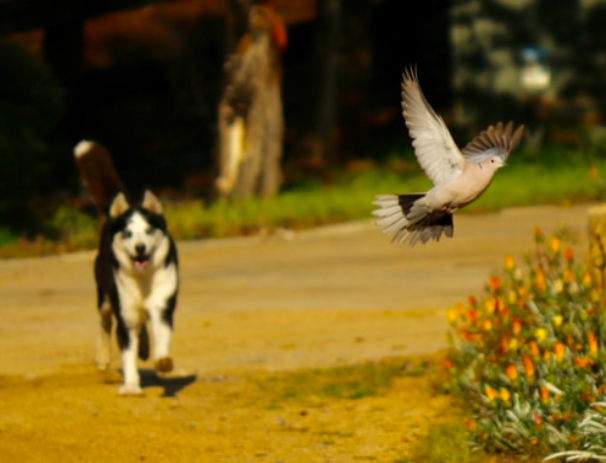
Caring for Your Dog in Lubbock’s Dry Heat and Dust Storms: A Guide for Pet Owners
Have you ever noticed how quickly the temperature can rise during a summer walk with your dog in Lubbock? The dry heat can be relentless, and let’s not even get started on the dust storms. As a conscientious pet owner, it’s crucial to understand the unique challenges posed by this environment to ensure your furry friend’s well-being.
Lubbock, known for its scorching summers and seasonal dust storms, presents specific care challenges for dogs. Keeping your pet hydrated is paramount, as dehydration is a common risk in these conditions. Additionally, safeguarding their paws from hot pavements and providing a cool shelter can make a world of difference. During dust storms, minimizing exposure and ensuring your dog has a clean water source can prevent respiratory issues. Caring for your dog in Lubbock’s dry heat and dust storms requires special attention. Ensure constant hydration, provide shade, and use cooling mats to combat the heat. During dust storms, keep your dog indoors, use air purifiers, and monitor for respiratory issues. Adjust exercise routines for cooler times of day.Caring for Your Dog in Lubbock’s Dry Heat and Dust Storms: A Guide for Pet Owners
Lubbock’s weather can be extreme, with scorching dry heat in the summer and periodic dust storms. It’s important to know how these conditions can impact your dog. Dehydration is a major concern, so always provide access to fresh water. Cooling pads and shade can help keep your pet comfortable. These small efforts can make a big difference in your dog’s well-being. Dust storms bring their own set of challenges. These events can affect your dog’s respiratory health. Limit outdoor time during storms and keep windows closed. Additionally, check your pet’s water bowl frequently to ensure it’s clean. If you notice any breathing issues, consult your vet immediately.
When it comes to exercise, adjustments are essential. Schedule walks during the cooler parts of the day, like early mornings or late evenings. Hot pavement can burn your dog’s paws, so always check the ground temperature. In extreme heat, consider indoor activities to keep your dog active. Safety should always come first.
Recognizing signs of heat exhaustion is vital. Symptoms can include excessive panting, drooling, and lethargy. If your dog shows any of these signs, move them to a cooler place immediately. Provide water and wet their fur to lower body temperature. Knowing these signs can help you act quickly and keep your dog safe.
Dust storms bring their own set of challenges. These events can affect your dog’s respiratory health. Limit outdoor time during storms and keep windows closed. Additionally, check your pet’s water bowl frequently to ensure it’s clean. If you notice any breathing issues, consult your vet immediately.
When it comes to exercise, adjustments are essential. Schedule walks during the cooler parts of the day, like early mornings or late evenings. Hot pavement can burn your dog’s paws, so always check the ground temperature. In extreme heat, consider indoor activities to keep your dog active. Safety should always come first.
Recognizing signs of heat exhaustion is vital. Symptoms can include excessive panting, drooling, and lethargy. If your dog shows any of these signs, move them to a cooler place immediately. Provide water and wet their fur to lower body temperature. Knowing these signs can help you act quickly and keep your dog safe.
Understanding Lubbock’s Climate and Its Impact on Dogs
Lubbock’s climate is characterized by hot, dry summers and frequent dust storms. These conditions can pose unique challenges for dog owners. The high temperatures can lead to dehydration and heatstroke in dogs. It’s important to recognize how these elements can affect your pet. Understanding the climate will help you prepare better. The dry heat in Lubbock can quickly cause dogs to overheat. Unlike humans, dogs pant to release heat, which is less efficient. Their thick fur can make it even harder to stay cool. Always provide shaded areas and plenty of water. This simple change can prevent many heat-related issues.
Dust storms are another concern in Lubbock. These storms can trigger respiratory problems in dogs, especially those with pre-existing conditions. Keeping your dog indoors during dust storms is crucial. Closed windows and air purifiers can help maintain clean air inside your home. Minimizing exposure is key to protecting your dog’s health.
Changes in temperature and air quality can affect a dog’s overall wellness. It’s essential to monitor your pet for any signs of distress. Symptoms like coughing, excessive panting, or lethargy should not be ignored. Regular vet check-ups can also help catch issues early. Being proactive can make all the difference.
The dry heat in Lubbock can quickly cause dogs to overheat. Unlike humans, dogs pant to release heat, which is less efficient. Their thick fur can make it even harder to stay cool. Always provide shaded areas and plenty of water. This simple change can prevent many heat-related issues.
Dust storms are another concern in Lubbock. These storms can trigger respiratory problems in dogs, especially those with pre-existing conditions. Keeping your dog indoors during dust storms is crucial. Closed windows and air purifiers can help maintain clean air inside your home. Minimizing exposure is key to protecting your dog’s health.
Changes in temperature and air quality can affect a dog’s overall wellness. It’s essential to monitor your pet for any signs of distress. Symptoms like coughing, excessive panting, or lethargy should not be ignored. Regular vet check-ups can also help catch issues early. Being proactive can make all the difference.
Essential Hydration and Cooling Techniques
Keeping your dog hydrated in Lubbock’s dry heat is crucial. Dogs can easily become dehydrated, especially during hot weather. Always ensure your pet has access to fresh, clean water. Using a portable water bowl during walks can be very helpful. Regularly check water levels throughout the day. Cooling techniques are also vital. Fans and cooling pads can help lower your dog’s body temperature. Dogs with short snouts, like bulldogs, can overheat quicker. Wetting their fur or using a damp cloth can provide relief. Never leave your dog in a parked car, even for a short period.
Shaded areas in your yard can offer a respite from the sun. Trees and purpose-built dog shelters can provide necessary shade. A small kiddie pool filled with cool water can also be a fun way for your dog to cool down. Encourage your dog to rest in these shaded or water-cooled spots. This can help prevent overheating.
Diet can play a role in hydration. Wet dog food can contribute to fluid intake, especially in the hot months. Adding a bit of water to dry kibble can also help. Some fruits like watermelon or cucumber, in moderation, can be a refreshing treat. Always check with your vet before making significant changes to your dog’s diet.
Cooling techniques are also vital. Fans and cooling pads can help lower your dog’s body temperature. Dogs with short snouts, like bulldogs, can overheat quicker. Wetting their fur or using a damp cloth can provide relief. Never leave your dog in a parked car, even for a short period.
Shaded areas in your yard can offer a respite from the sun. Trees and purpose-built dog shelters can provide necessary shade. A small kiddie pool filled with cool water can also be a fun way for your dog to cool down. Encourage your dog to rest in these shaded or water-cooled spots. This can help prevent overheating.
Diet can play a role in hydration. Wet dog food can contribute to fluid intake, especially in the hot months. Adding a bit of water to dry kibble can also help. Some fruits like watermelon or cucumber, in moderation, can be a refreshing treat. Always check with your vet before making significant changes to your dog’s diet.
Protective Measures During Dust Storms
Dust storms in Lubbock can pose serious health risks for your dog. It’s best to keep your dog indoors during these events. Close all windows and doors to minimize dust infiltration. Using air purifiers can help maintain clean indoor air. Make sure your dog has a comfortable place to stay inside. For quick trips outside during a dust storm, protective gear can be useful. Dog goggles can protect your pet’s eyes from dust and debris. Additionally, consider using a dog-friendly face mask to help with breathing. These items can be lifesavers during severe conditions. Your vet can recommend the best options for your dog. Maintaining clean environments inside your home is essential. Regularly vacuum and dust to reduce indoor allergens. A HEPA filter can help trap smaller particles. Keep your dog’s bedding fresh and clean. This ensures a safe breathing space for your pet.
Proper hydration can also mitigate some effects of dust storms. Make sure your dog drinks plenty of water. Hydration helps in flushing out any dust inhaled. Wet dog food can be an additional source of moisture. Consider adding water to your dog’s kibble as well.
Pay attention to your dog’s behavior during and after dust storms. Watch for signs of respiratory distress such as coughing or labored breathing. If your dog exhibits any unusual symptoms, contact your vet immediately. Prompt attention can prevent minor issues from becoming serious.
Lastly, preparing an emergency kit can be beneficial. Include items like extra water, medications, and protective gear. Having these essentials on hand can ensure quick action during a dust storm. Being prepared keeps both you and your dog safer. Planning ahead provides peace of mind.
Maintaining clean environments inside your home is essential. Regularly vacuum and dust to reduce indoor allergens. A HEPA filter can help trap smaller particles. Keep your dog’s bedding fresh and clean. This ensures a safe breathing space for your pet.
Proper hydration can also mitigate some effects of dust storms. Make sure your dog drinks plenty of water. Hydration helps in flushing out any dust inhaled. Wet dog food can be an additional source of moisture. Consider adding water to your dog’s kibble as well.
Pay attention to your dog’s behavior during and after dust storms. Watch for signs of respiratory distress such as coughing or labored breathing. If your dog exhibits any unusual symptoms, contact your vet immediately. Prompt attention can prevent minor issues from becoming serious.
Lastly, preparing an emergency kit can be beneficial. Include items like extra water, medications, and protective gear. Having these essentials on hand can ensure quick action during a dust storm. Being prepared keeps both you and your dog safer. Planning ahead provides peace of mind.