
The Importance of Recall Training in Open Texas Spaces (Especially in Lubbock)
Your dog dashing across an open Texas field might seem like a dream come true, until their excitement leads them into potential danger. Many Lubbock residents can attest to the importance of recall training, especially given the expansive landscapes that define this region. A well-trained recall command can be the difference between a joyful romp and a frantic chase.
Lubbock’s sprawling open spaces have a storied history of being both enchanting and perilous for our furry friends. According to local statistics, there are increased incidents of lost dogs in areas without proper recall training. Ensuring your dog responds promptly and reliably when called not only enhances their safety but also strengthens your bond and trust. Recall training is crucial in open Texas spaces like Lubbock due to the vast, distraction-filled environments that can pose dangers. Reliable recall ensures your dog’s safety, allowing them to enjoy freedom while preventing potential accidents or getting lost. It also strengthens your bond and fosters trust, offering peace of mind during outdoor adventures.Exploring the Crucial Need for Recall Training in Open Texas Spaces
Open spaces in Texas provide dogs with ample room to run and explore. However, this freedom comes with risks, especially if your dog doesn’t listen to recall commands. Dogs can quickly get too far away or chase after wildlife. If your dog doesn’t return when called, you might find yourself in a stressful and potentially dangerous situation. In places like Lubbock, known for its vast open areas, this issue becomes even more pronounced. Dogs without recall training could get lost or hurt. Reliable recall training ensures your dog enjoys their freedom safely. It also gives you peace of mind knowing your furry friend will return when called.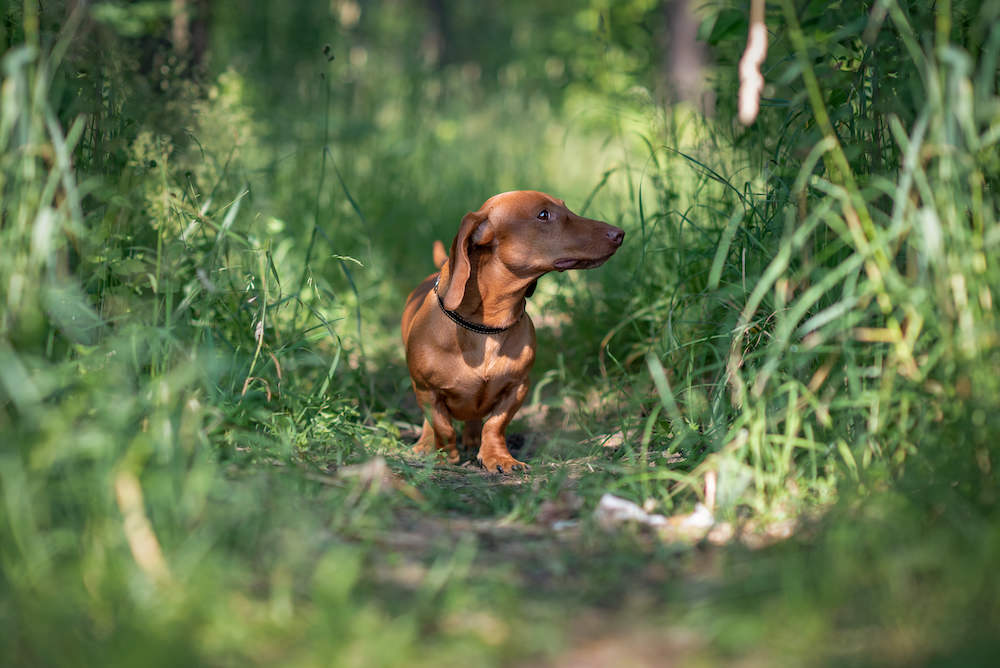 Recall training is not just about safety; it strengthens the bond between you and your dog. When your dog knows that coming back to you is always a good thing, their trust in you grows. Using positive reinforcement techniques can make training enjoyable, leading to better results. This approach can also help in other areas of obedience training.
Lastly, well-trained dogs contribute to a more harmonious community. Runaway dogs can cause accidents or disturb others. Good recall training can prevent these issues, ensuring that your dog remains a joyful, respectful member of the community. Everyone benefits when dogs behave responsibly in public spaces.
Recall training is not just about safety; it strengthens the bond between you and your dog. When your dog knows that coming back to you is always a good thing, their trust in you grows. Using positive reinforcement techniques can make training enjoyable, leading to better results. This approach can also help in other areas of obedience training.
Lastly, well-trained dogs contribute to a more harmonious community. Runaway dogs can cause accidents or disturb others. Good recall training can prevent these issues, ensuring that your dog remains a joyful, respectful member of the community. Everyone benefits when dogs behave responsibly in public spaces.
Why Focus on Recall Training in Lubbock’s Expansive Areas
Lubbock is well known for its wide-open spaces that are perfect for letting your dog run free. However, this freedom can be risky if your dog hasn’t mastered recall training. Your dog might spot a rabbit and take off, ignoring your calls. This could lead to your dog getting lost or even injured. Recall training is essential to keep such adventures safe and fun. Another reason recall training is important in Lubbock is the high traffic areas near open fields. A dog’s curiosity can lead them dangerously close to busy roads. A well-timed recall command can prevent accidents. It ensures your dog stays out of harm’s way. This level of control can be lifesaving. Recall training also allows you to explore more places with your dog confidently. Knowing your dog will return when called means you can visit parks and trails without constant worry. This increased freedom benefits both you and your dog. Plus, it’s an excellent way to strengthen your bond while enjoying nature. Lastly, well-behaved dogs help build a positive image in the community. Dogs that respond to commands are less likely to cause disturbances. This makes open spaces enjoyable for everyone. Investing in recall training is a win for you, your dog, and the wider community.Key Benefits of Effective Recall Training for Dog Owners
Recall training offers dog owners a sense of security and peace of mind. When you know your dog will come back when called, you can let them off-leash more often. This leads to more enjoyable walks and playtime. You can explore new places with confidence. Your bond with your dog becomes stronger. Another key benefit is the safety it provides. If your dog ever gets loose, knowing they will reliably return can prevent accidents. This is especially crucial in busy or unpredictable environments. A well-timed recall can save your dog’s life. It’s a skill that offers protection. Recall training also makes day-to-day activities smoother. Tasks like visiting the vet, grooming, or even just getting in the car become easier. Your dog learns to respond quickly and consistently. This reduces stress for both you and your dog. It ensures cooperative and manageable interactions. Lastly, well-trained dogs contribute positively to the community. They are less likely to run into trouble, disturb wildlife, or bother other people. This creates a more enjoyable experience for everyone. Investing time in recall training leads to a more harmonious coexistence.Common Challenges Faced During Recall Training in Open Areas
One common challenge of recall training in open areas is distraction. Dogs can become easily sidetracked by other animals, people, or interesting smells. These distractions can make it hard for your dog to focus on you. Trainers often struggle to maintain their dog’s attention. This can slow down the training process. The vastness of open areas can also pose a problem. In large spaces, dogs might feel free to roam far away. This distance makes it harder for them to hear your recall commands. As dogs venture further, the risk of them encountering danger increases. Consistent practice in these environments is essential. Weather conditions add another layer of complexity to recall training. Wind can carry your voice away, making it difficult for your dog to catch your commands. Additionally, bad weather can make your dog less responsive. This makes it challenging to train effectively without proper motivation. Good timing and clear commands can help mitigate these issues. Another challenge is inconsistent training sessions. If the training is not regular, dogs might forget what they have learned. Consistency helps reinforce good behavior. Without it, your dog might revert to old habits. Establishing a routine is key to successful recall training. Lastly, some dogs have strong prey drives. They might chase after small animals, ignoring all recall attempts. This instinct can be hard to break. Training a dog with a high prey drive requires more patience and effort. Using rewards can help in gradually managing this behavior. To overcome these challenges, trainers often use various techniques to keep the training engaging. Incorporating games can make learning fun for your dog. Patience and persistence are essential. Over time, even the most distracted dog can learn to come running when called.Essential Tips for Successful Recall Training in Lubbock
Start recall training in a controlled environment before moving to open areas. This helps your dog learn the basics without distractions. Gradually introducing them to more challenging spaces improves their focus. Begin with a short distance and slowly increase it. This builds your dog’s confidence. Using high-value treats can make a big difference. Dogs are more likely to come back if they know a tasty reward awaits them. You can use treats specifically for training, which they only get during practice. This keeps them excited and motivated. Consistent rewards help reinforce positive behavior. Practice recall training during different times of the day. Lubbock’s weather and lighting can change quickly, so it’s good to train in various conditions. Your dog will learn to respond to your call no matter the environment. This makes the training more effective. It also prepares your dog for real-world situations. Use a clear and consistent recall command. Choose a word or phrase that you don’t use often in normal conversation. This makes your command stand out. Be consistent with the usage and tone of your voice. Your dog will learn to associate the command with a positive response.
Consider using a long leash during initial training in open areas. This gives your dog some freedom while still allowing you to maintain control. As they improve, you can gradually phase out the leash. This method provides a safe training option. It helps bridge the gap between controlled and completely free environments.
Lastly, keep the training sessions short and fun. Dogs can lose interest if the training becomes tedious. Incorporate play and praise to keep things engaging. Keeping it enjoyable ensures that your dog looks forward to training. This positive approach leads to better results.
Use a clear and consistent recall command. Choose a word or phrase that you don’t use often in normal conversation. This makes your command stand out. Be consistent with the usage and tone of your voice. Your dog will learn to associate the command with a positive response.
Consider using a long leash during initial training in open areas. This gives your dog some freedom while still allowing you to maintain control. As they improve, you can gradually phase out the leash. This method provides a safe training option. It helps bridge the gap between controlled and completely free environments.
Lastly, keep the training sessions short and fun. Dogs can lose interest if the training becomes tedious. Incorporate play and praise to keep things engaging. Keeping it enjoyable ensures that your dog looks forward to training. This positive approach leads to better results.