From the Hub City to Anywhere: How to Road Trip Safely with Your Dog
Ever thought about how much closer you bond with your dog during a long road trip? Taking a road trip with your furry friend can be an exhilarating adventure, but it also requires some planning. It’s amazing how a little preparation can make the journey enjoyable for both you and your canine companion.
When you’re setting out from Lubbock, Texas, or anywhere else, it’s crucial to keep your dog’s comfort and safety in mind. Statistics show that 65% of pet owners take their pets on car trips. Ensuring you have the right gear, frequent breaks, and an emergency plan are key strategies for a successful trip. To road trip safely with your dog from Lubbock, Texas, ensure your pet is secured with a harness or in a crate, plan for regular breaks every two to three hours, pack all necessary supplies including food and water, and prepare for emergencies by knowing the locations of nearby veterinary clinics along your route.Essential Preparations Before Your Road Trip
Before hitting the road, make sure you have the right supplies for your dog. You’ll need essentials like a sturdy leash, enough food and water, treats, and a comfortable dog bed. A first aid kit is also a must. You might consider bringing your dog’s favorite toys to keep them entertained. Don’t forget to pack waste bags for those inevitable pit stops.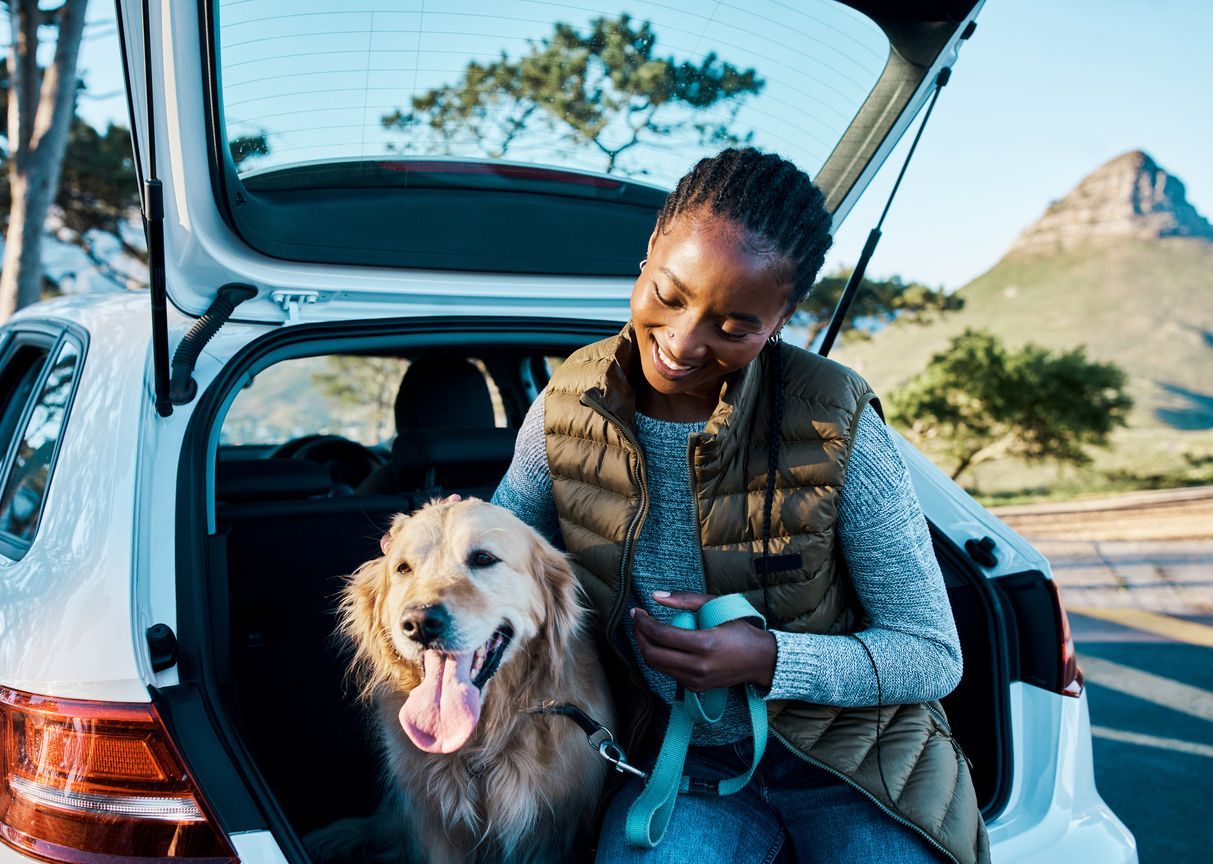 Your car should be a safe space for your furry friend. Install a pet barrier or use a secured crate to protect them while driving. Make sure the car seat and floor are covered to avoid messes. It’s also wise to invest in a seatbelt harness for your dog. This ensures they remain secure and comfortable throughout the journey.
Planning your route is essential for a smooth trip. Identify dog-friendly stops along the way where your pet can stretch and relieve themselves. Apps and websites can help you find pet-friendly parks, rest stops, and hotels. Knowing where these places are will save you a lot of stress. Aim to stop every two to three hours to give your dog a break.
Check your dog’s health before starting the trip. Visit the vet for a routine checkup and ensure their vaccinations are up to date. Ask your vet for any travel-specific advice or medications. Bring a copy of your dog’s medical records just in case. A healthy dog is a happy travel companion.
Your car should be a safe space for your furry friend. Install a pet barrier or use a secured crate to protect them while driving. Make sure the car seat and floor are covered to avoid messes. It’s also wise to invest in a seatbelt harness for your dog. This ensures they remain secure and comfortable throughout the journey.
Planning your route is essential for a smooth trip. Identify dog-friendly stops along the way where your pet can stretch and relieve themselves. Apps and websites can help you find pet-friendly parks, rest stops, and hotels. Knowing where these places are will save you a lot of stress. Aim to stop every two to three hours to give your dog a break.
Check your dog’s health before starting the trip. Visit the vet for a routine checkup and ensure their vaccinations are up to date. Ask your vet for any travel-specific advice or medications. Bring a copy of your dog’s medical records just in case. A healthy dog is a happy travel companion.
Choosing the Right Dog-Friendly Supplies
When preparing for a road trip with your dog, it’s essential to choose the right supplies. Start with a sturdy, comfortable leash and collar that fit your dog well. Don’t forget a travel-friendly water bottle with an attached bowl. These are handy for those quick hydration stops. Make sure everything is durable and reliable. Your dog will need a safe and comfortable place to rest during the trip. A cozy travel bed or a crate can make a big difference. If you choose a crate, ensure it’s well-ventilated and secured in the car. Dog seat covers can protect your seats from fur and dirt. This also provides a more comfortable surface for your dog. Food and water bowls are crucial but opt for collapsible versions. They save space and are easy to clean. Bringing extra food is also a good idea, in case you face unexpected delays. Don’t forget high-value treats to keep your dog happy and cooperative. Treats can also help reinforce good behavior during the trip. Toys and chews are excellent for keeping your dog entertained. Interactive toys can keep their mind active during the long stretches of road. Without entertainment, your dog might get bored and restless. Make a list of their favorite toys and bring a selection. A happy and occupied dog makes for a smoother journey.Packing for Your Dog’s Needs
Packing for your dog’s needs is a key part of road trip planning. Start with your dog’s daily essentials to ensure a smooth journey. Pack enough food for the entire trip, plus a bit extra for emergencies. Make sure to include their regular feeding schedule to avoid digestive upset. Don’t forget portable food and water bowls. Having a well-stocked first aid kit for your dog is smart. This kit should include bandages, antiseptic wipes, and any medications your dog needs. Carry your vet’s contact information and any emergency vet clinics along your route. It’s better to be prepared for anything. A healthy dog is a happy travel companion. Your dog’s comfort items are just as important. Pack their favorite blanket or bed to provide a sense of familiarity. Toys, especially those that can keep your dog entertained for long periods, are a good idea. Chew toys can also help relieve stress. Comfort items help your dog feel secure and relaxed. Ensure you have waste disposal items on hand. Pack plenty of poop bags and maybe even a small scoop. You’ll want to clean up after your dog promptly during rest stops. Keep hand sanitizers or wipes for yourself. Maintaining cleanliness makes the trip pleasant for everyone.Vehicle Safety and Comfort Adjustments
Ensuring your dog’s safety and comfort in the vehicle is critical for a successful road trip. Start by securing your dog with a harness or placing them in a well-ventilated crate. This prevents them from moving around and causing distractions while driving. An unsecured dog can be a risk to both you and themselves. It’s essential to prioritize their safety. Keep the temperature in the car comfortable for your dog. Avoid leaving your dog in the car alone, especially during extreme weather. Use sunshades on the windows to keep the car cool. Make sure the air conditioning or heat is evenly distributed. Comfortable temperatures help keep your dog calm and happy. Your dog’s seat should be protected and cozy. Use a pet seat cover or blanket to cover the back seat. This makes cleaning up fur, dirt, and spills much easier. A non-slip cover ensures your dog stays in place during the drive. Comfortable seating keeps your dog relaxed.
Provide easy access to water during the journey. You can use a spill-proof water bowl that stays stable even on bumpy roads. Hydration is vital for your dog’s health, especially during long trips. Ensure that they have fresh water available at all times. Staying hydrated keeps your dog healthy and energetic.
Taking regular breaks is crucial for both you and your dog. Plan to stop every two to three hours for bathroom breaks and to stretch. Use these stops to give your dog a short walk and some playtime. It breaks the monotony of the trip and keeps them active. Frequent breaks reduce stress and boredom.
Lastly, make sure your dog has easy access to their toys and comfort items. Place their favorite toys and blanket within reach. This helps them feel secure and entertained throughout the journey. Engaging toys can keep your dog occupied and prevent restlessness. Happy dogs make for a pleasant journey.
Your dog’s seat should be protected and cozy. Use a pet seat cover or blanket to cover the back seat. This makes cleaning up fur, dirt, and spills much easier. A non-slip cover ensures your dog stays in place during the drive. Comfortable seating keeps your dog relaxed.
Provide easy access to water during the journey. You can use a spill-proof water bowl that stays stable even on bumpy roads. Hydration is vital for your dog’s health, especially during long trips. Ensure that they have fresh water available at all times. Staying hydrated keeps your dog healthy and energetic.
Taking regular breaks is crucial for both you and your dog. Plan to stop every two to three hours for bathroom breaks and to stretch. Use these stops to give your dog a short walk and some playtime. It breaks the monotony of the trip and keeps them active. Frequent breaks reduce stress and boredom.
Lastly, make sure your dog has easy access to their toys and comfort items. Place their favorite toys and blanket within reach. This helps them feel secure and entertained throughout the journey. Engaging toys can keep your dog occupied and prevent restlessness. Happy dogs make for a pleasant journey.
Planning Your Route and Stops
Planning your route and stops ahead of time is vital for a stress-free road trip with your dog. Start by mapping out your journey using GPS or a map app. Look for pet-friendly rest stops and parks along the route. This ensures your dog gets enough breaks to stretch and relieve themselves. Adequate planning contributes to a smoother trip. Identify dog-friendly hotels or accommodations if your trip includes overnight stays. Websites like BringFido can help you find pet-friendly options. Booking in advance avoids last-minute stress. Make sure to read reviews and policies regarding pets. Comfortable places to stay keep your dog well-rested. Researching pet-friendly attractions can make the trip more enjoyable. Some national parks, hiking trails, and even restaurants welcome dogs. Check the rules and guidelines before visiting. This adds an element of adventure to your road trip. A mix of stops keeps the trip exciting.- Rest areas with designated pet zones
- Dog-friendly parks
- Hotels and motels that welcome pets
- Restaurants with outdoor seating
Managing Your Dog’s Needs During the Trip
Making sure your dog’s needs are met during the trip starts with regular breaks. Plan to stop every two to three hours. This gives your dog time to stretch, hydrate, and relieve themselves. Keeping this routine can minimize stress. Both you and your dog will appreciate the frequent stops. Hydration is crucial when traveling. Keep a spill-proof water bowl in the car. Offer your dog water at every stop. Ensure they drink enough to stay hydrated. Proper hydration aids in their overall comfort and health. Feeding your dog during a road trip requires a bit of planning. Stick to their regular meal times as closely as possible. Bring along their usual dog food to avoid digestive issues. Feed them smaller meals if necessary. This can help prevent car sickness.- Use a collapsible bowl for space-saving
- Carry plenty of water bottles
- Keep treats handy for good behavior
Handling Emergencies and Unexpected Situations
No matter how well you plan, emergencies can still happen. Carry a canine first aid kit that includes bandages, gauze, and antiseptic wipes. Have your vet’s number saved on your phone for quick access. Knowing the location of nearby veterinary clinics along your route is also important. Quick action can prevent minor issues from becoming major ones. Always keep a list of emergency contacts and medical records handy. This should include information about your dog’s vaccinations and any existing health conditions. If an unexpected situation arises, having this information readily available can be crucial. It speeds up the process at a veterinary clinic. Well-prepared owners save valuable time in emergencies. Your dog might get anxious or stressed during travel disruptions like storms or traffic jams. Calming aids such as pheromone sprays or anxiety wraps can help soothe them. Natural remedies like lavender oil may also work wonders. Creating a calm environment helps manage their stress levels effectively. A relaxed dog makes handling emergencies easier.- Pheromone sprays
- Anxiety wraps
- Natural remedies like lavender oil