
The Role of Scent in Dog Behavior
It’s often said that a dog’s sense of smell is ten thousand times superior to that of humans. This unique olfactory power allows dogs to interpret the world in ways we can only imagine. It’s fascinating how dogs use scents to navigate their environment, identify individuals, and even sense emotional states.
The history of dogs’ reliance on their sense of smell dates back to their ancestors, who used it for hunting and survival. Today, dogs utilize this skill in tasks ranging from search and rescue to medical detection. In fact, some dogs can detect specific diseases such as cancer or diabetes with an accuracy rate that surpasses many medical tests. Dogs rely heavily on their sense of smell to navigate their environment, communicate with others, and identify individuals. Their heightened olfactory abilities enable them to detect emotions, track scents over distances, and distinguish between different animals and humans. Understanding scent-driven behavior is crucial for effective training and fostering stronger bonds.The Role of Scent in Dog Behavior
Dogs have an extraordinary sense of smell, which plays a crucial role in their behavior. Their noses are equipped with up to 300 million olfactory receptors, compared to humans who have about 5 million. This allows them to detect even the faintest odors. Dogs use these abilities to gather information about their surroundings, identify other animals, and even recognize emotions. This powerful sense makes them excellent companions in search and rescue missions. Communication among dogs heavily relies on scent. They use urine marking to establish territory and communicate with others. Additionally, dogs sniff each other as a form of greeting, gathering information about the other dog’s age, gender, and health. This behavior is essential for their social interactions and helps them form bonds with other dogs. Understanding these habits can improve how we interact with and train our dogs.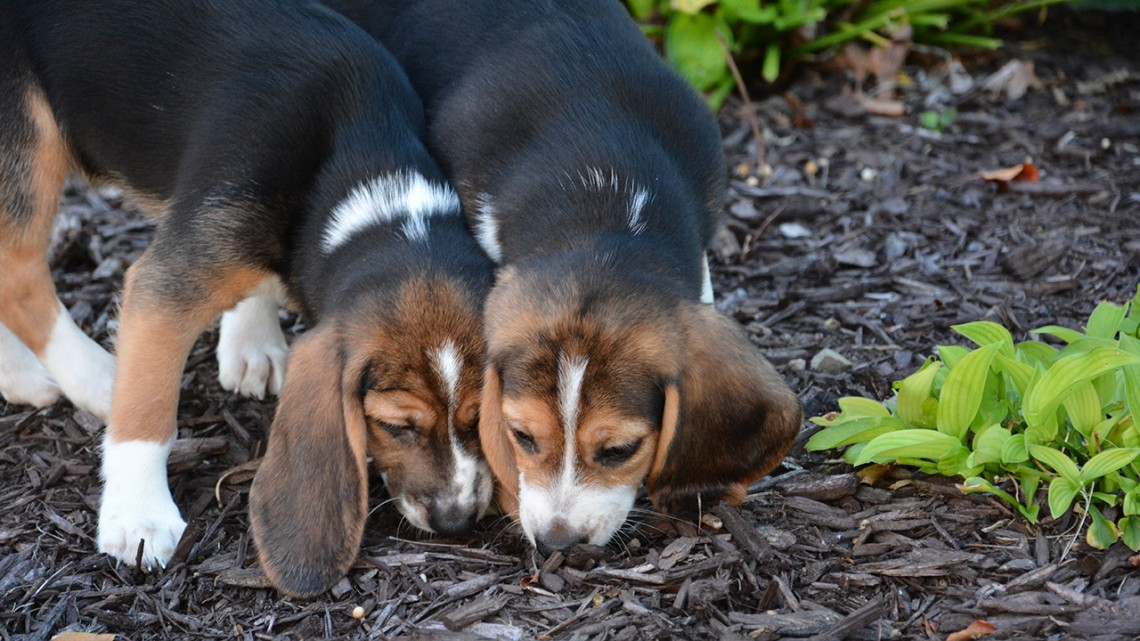 Another fascinating aspect of a dog’s sense of smell is its ability to detect changes in human body chemistry. Some dogs can be trained to alert their owners to medical issues like low blood sugar or impending seizures. Specific scents linked to these conditions are detectable by dogs even before humans realize there’s a problem. This ability has made service dogs invaluable for individuals with specific health needs.
Managing scents in dog training can also be quite effective. Trainers use scent to guide dogs to desired behaviors or locations. For example, training a dog to follow a scent trail uses their natural instincts to learn useful skills. Utilizing a variety of scents can stimulate a dog’s interest and keep them engaged in training activities. Understanding the role of scent can unlock new methods for enhancing your dog’s training and overall behavior.
Another fascinating aspect of a dog’s sense of smell is its ability to detect changes in human body chemistry. Some dogs can be trained to alert their owners to medical issues like low blood sugar or impending seizures. Specific scents linked to these conditions are detectable by dogs even before humans realize there’s a problem. This ability has made service dogs invaluable for individuals with specific health needs.
Managing scents in dog training can also be quite effective. Trainers use scent to guide dogs to desired behaviors or locations. For example, training a dog to follow a scent trail uses their natural instincts to learn useful skills. Utilizing a variety of scents can stimulate a dog’s interest and keep them engaged in training activities. Understanding the role of scent can unlock new methods for enhancing your dog’s training and overall behavior.
Understanding the Basics of Canine Olfaction
Canine olfaction refers to a dog’s incredible ability to smell and interpret scents. Their noses are designed to process scents in a way that humans cannot imagine. A dog’s nasal structure can detect smells from great distances, even through layers of dirt or water. This keen sense enables them to perform various tasks, from hunting to search and rescue missions. Understanding this ability helps us appreciate the profound ways dogs interact with their world. A dog’s sense of smell starts with their nose, which has two air passages. One path is for breathing, while the other is solely for smelling. This allows them to separate scents as they sniff. Additionally, the part of their brain devoted to analyzing smells is 40 times larger than that of humans. Combined with the high number of olfactory receptors, this gives dogs a significant advantage in detecting and identifying scents. The vomeronasal organ, also known as Jacobson’s organ, plays an essential role in a dog’s olfactory system. Located above the roof of the mouth, this organ helps detect pheromones. Pheromones are chemicals that carry information between animals. When a dog curls its lips and opens its mouth slightly, it is using this special organ to gather even more detailed scent information. This action is called the Flehmen response. Dogs also use sniffing as a form of communication. By inhaling scents left by other animals, they can learn a great deal about their environment and community. They can determine specific details like the presence of another dog’s territory or the reproductive status of a mate. This complex scent communication system is vital to their social structure and interactions with both humans and other animals.Communicating Through Scents
Dogs have a remarkable way of communicating through scents. When they sniff each other during greetings, they gather important details like age, gender, and health. This olfactory exchange is more informative than a simple visual inspection. Dogs can discern intricate pieces of information through these brief encounters. Their ability to communicate scents plays a key role in their social interactions. Scent marking is another important form of communication among dogs. They use urine and feces to mark their territory, leaving messages for other dogs. This behavior helps establish dominance, signal reproductive status, and maintain social order. When a dog encounters these markings, they can interpret the details left behind. This system of scent communication creates a complex but effective social network. Even within a household, dogs use scents to communicate with each other and their owners. They might rub their bodies against furniture to leave their scent or sniff around frequently-traveled paths. This helps maintain a sense of familiarity and security in their environment. Dogs may also use their sense of smell to detect emotional changes in humans. Recognizing stress, fear, or happiness in their owners strengthens their bond. Training methods often leverage a dog’s strong sense of smell. Using specific scents can guide dogs to desired behaviors, making training more effective. For example, scent-based training aids are used in scent detection work and search and rescue training. These methods tap into a dog’s natural instincts, creating a productive and engaging learning experience. Incorporating scent into training enriches the dog’s skills and aids in communication between the dog and trainer.Behavioral Responses Triggered by Different Scents
Dogs exhibit distinct behaviors in response to various scents. For instance, the smell of another dog’s urine can make them sniff curiously or start marking their own territory. This behavior is part of their natural instinct to communicate and establish dominance. Scents from familiar people or animals can also trigger excitement and comfort. These responses show how deeply scents impact their daily lives. Particular scents can evoke memories and emotions in dogs. The smell of their favorite food can instantly make them attentive and eager. On the other hand, the scent of a vet clinic might cause anxiety or fear due to past experiences. Recognizing these triggers can help owners manage their pets’ environments better. It’s fascinating how scents can replay a dog’s memories and affect their mood. In training scenarios, specific scents are used to modify behaviors. Positive scents like lavender can have a calming effect on anxious dogs. Trainers might use such scents to help dogs relax during stressful situations. Similarly, scents associated with rewards can motivate dogs to perform desired tasks. This method not only makes training more effective but also pleasant for the dog. Different scents can also indicate danger or safety. Dogs have been known to detect the scent of smoke or chemicals, alerting their owners to potential hazards. By recognizing these scents, dogs can prompt timely reactions that might prevent accidents. This heightened awareness showcases the protective role a dog’s sense of smell can play. A unique aspect of canine olfaction is their ability to detect health issues. Dogs can sense changes in human body chemistry that indicate conditions like diabetes or cancer. These scents trigger specific behaviors, such as constant sniffing of a particular body part or persistent alerting. Such responses have led to dogs being trained as medical alert animals, showcasing another layer of their invaluable capabilities.The Role of Human Scents in Dog Training and Bonding
Human scents play a crucial role in the relationship between dogs and their owners. Dogs can recognize their owners by scent alone, leading to strong bonds and loyalty. The unique smell of an owner provides comfort and security to a dog. This recognition helps in building trust and affection, not just through sight or sound. The scent of an owner can calm an anxious dog and strengthen their emotional connection. In dog training, human scents can be strategically used to reinforce positive behaviors. For example, trainers might use items that carry the scent of the owner to make the dog feel more at ease during training sessions. This practice can increase the dog’s focus and responsiveness. Familiar scents can also be used as rewards, encouraging the dog to obey commands. This approach leverages the natural bond between dog and owner to improve training outcomes.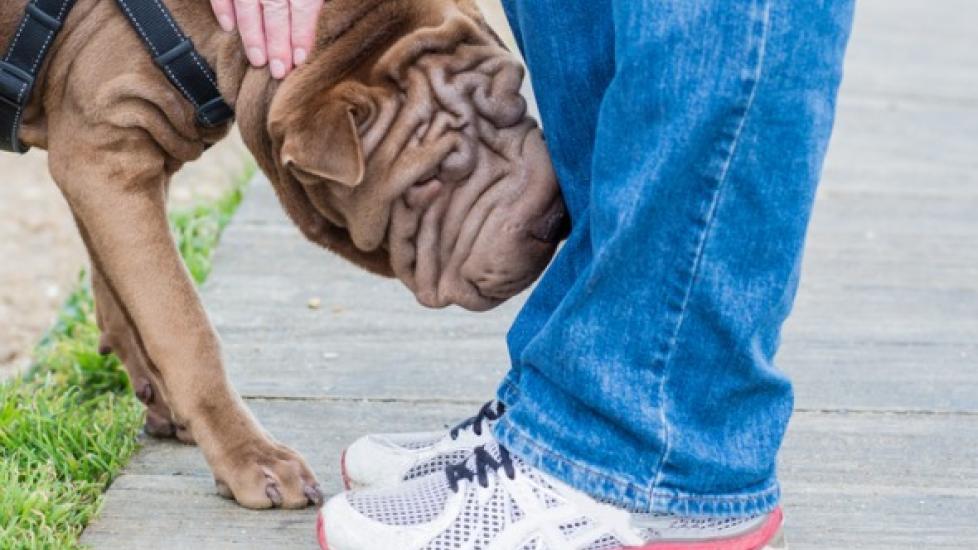 Scent-based bonding isn’t limited to training sessions. Dogs often show affection by rubbing against their owners, transferring their scent onto them. This act of scent mixing is a form of marking territory and expressing attachment. It helps the dog feel connected to their owner even when they are apart. Recognizing and appreciating this behavior can enhance the bond between dog and owner, making their relationship more fulfilling.
Human scents also play a role in a dog’s sense of security at home. Objects infused with the owner’s scent, like clothing or bedding, can reassure dogs when left alone. This can be particularly helpful for dogs with separation anxiety. The presence of these scented items in the dog’s environment can reduce stress and make them feel less isolated. Leveraging scent in this way can improve the overall well-being of the dog.
Scent-based bonding isn’t limited to training sessions. Dogs often show affection by rubbing against their owners, transferring their scent onto them. This act of scent mixing is a form of marking territory and expressing attachment. It helps the dog feel connected to their owner even when they are apart. Recognizing and appreciating this behavior can enhance the bond between dog and owner, making their relationship more fulfilling.
Human scents also play a role in a dog’s sense of security at home. Objects infused with the owner’s scent, like clothing or bedding, can reassure dogs when left alone. This can be particularly helpful for dogs with separation anxiety. The presence of these scented items in the dog’s environment can reduce stress and make them feel less isolated. Leveraging scent in this way can improve the overall well-being of the dog.