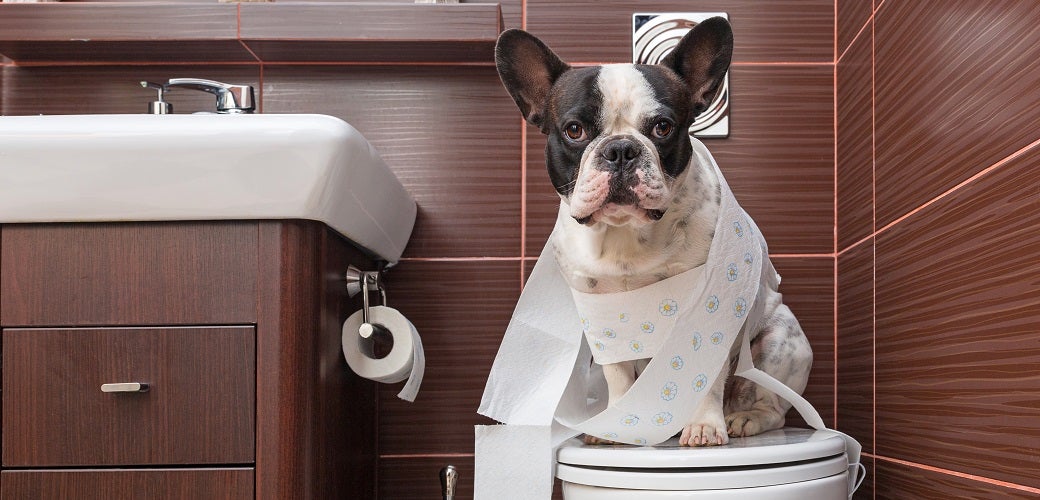
Ever noticed how no matter where you go, your dog seems to be right on your heels, even when it’s bathroom time? This behavior might be more than just endearing. Around 70% of dog owners report their pets following them everywhere, showing it’s a common, albeit puzzling, phenomenon.
Dogs have a pack mentality rooted deeply in their history which can explain this clingy behavior. They’re naturally inclined to stay close to their ‘alpha’ for security and comfort. Moreover, they can sense your absence through their acute senses, reinforcing this constant companionship behavior. Understanding this dynamic can help adapt habits for a more enjoyable and balanced pet-owner relationship.
Dogs may follow you into the bathroom due to their pack mentality and instinct to stay close. This behavior can also stem from separation anxiety, curiosity, or routine. They see you as part of their pack and seek companionship, security, and reassurance by always being near you.
Why Does My Dog Keep Following Me Into the Bathroom?
One reason your dog follows you into the bathroom is due to their pack mentality. Dogs are social animals and, in the wild, they move as a group. Your dog sees you as part of their pack and instinctively wants to stay close to you. This behavior provides them reassurance and security. It’s a sign of their affection and loyalty towards you.
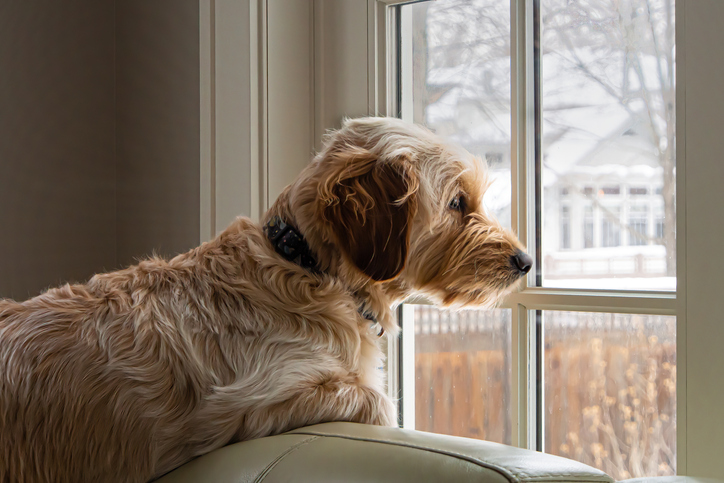
Another reason could be separation anxiety. When dogs feel anxious about being separated from their owner, they tend to stick to them more closely. This can manifest as following you into the bathroom or any other room. Dogs with separation anxiety might also show other signs, like whining or destructive behavior when left alone.
Your dog might also be curious. Bathrooms have many interesting smells and sounds that can attract your dog’s attention. They might follow you just to explore this intriguing environment. Dogs are naturally nosy creatures, always eager to investigate new things.
Sometimes, it’s simply about routine and habit. If you’ve allowed your dog to follow you around since they were a puppy, they’re likely to continue this behavior. Dogs thrive on routine, and once they establish a habit, they often stick to it. This habit gives them a sense of predictability and comfort.
Examining the Pack Mentality and Bonding Behavior
Dogs have a strong pack mentality, a trait inherited from their wolf ancestors. This social behavior is all about sticking together for safety and survival. In the wild, wolves rely on their pack for hunting, protection, and raising their young. Your dog sees you as part of their pack. This instinct makes them want to stay close to you, even in the bathroom.
Bonding with their human is a crucial aspect of a dog’s life. This bond is formed through daily interactions, feeding, and care. Dogs are highly sensitive to their owner’s emotions and actions. They often mirror your behavior, feeling happy when you are happy. This bond enhances their loyalty and strengthens their desire to be near you.
Pack mentality and bonding behavior can also lead to protective instincts. Dogs may feel the need to guard their owner, perceiving potential threats even in mundane situations. This protective nature is more evident in breeds known for their guarding instincts. However, it can be seen in all dogs to some degree.
Understanding these behaviors helps in managing your dog’s actions. You can create a more balanced relationship by setting boundaries and providing reassurance. Training your dog to feel comfortable being alone for short periods can lessen their anxiety. This will allow them to develop independence while maintaining a strong bond with you.
Impact of Human-Dog Relationship Dynamics
The relationship between humans and dogs significantly impacts both parties. A strong bond can lead to increased happiness and emotional well-being for the owner. Studies show that interacting with dogs can reduce stress and anxiety levels. Dogs benefit, too, with a sense of purpose and contentment. This mutual relationship fosters a positive environment for both.
The dynamics of this relationship can influence a dog’s behavior and health. Consistent positive interactions encourage good behavior and obedience. On the contrary, a lack of engagement or negative interactions can lead to behavioral issues. Dogs need regular mental stimulation from their human companions. Activities like playtime, training sessions, and walks contribute to their overall well-being.
The human-dog relationship also affects socialization skills. Dogs exposed to various environments and people tend to be more adaptable and friendly. This social exposure helps them develop appropriate responses to different situations. Owners who invest time in these activities help their dogs become well-rounded pets. In turn, it makes for a more harmonious household.
Technologies are changing the way humans and dogs interact. Gadgets like pet cameras and interactive toys provide new ways to engage with pets. These tools help maintain the bond even when you’re not home. They offer peace of mind and ensure that dogs feel connected, reducing potential separation anxiety.
Signs of Separation Anxiety in Dogs
Separation anxiety in dogs can manifest in various ways. One of the most common signs is excessive barking or howling when left alone. This vocalization is a way for dogs to express their distress and attempt to call their owners back. It often starts shortly after the owner leaves. This kind of behavior shows the dog’s discomfort being alone.
Destructive behavior is another indication of separation anxiety. Dogs may chew on furniture, scratch doors, or dig at carpets in their owner’s absence. This destruction isn’t due to a lack of training but rather a sign of extreme stress. They might also attempt to escape from the house or crate. These actions aim to reunite with their owner, demonstrating their intense anxiety.
House soiling is a less obvious but significant sign of separation anxiety. Dogs that are otherwise house-trained may urinate or defecate indoors when left alone. This behavior happens due to nervousness and is not a deliberate act of disobedience. It’s crucial to recognize it as a sign of stress. Understanding this can help in addressing the root cause rather than just the symptoms.
Another subtle but telling sign is drooling or panting excessively. Dogs may drool or pant more than usual due to anxiety. This physical reaction is their body’s response to the stress of being separated. Observing these signs can help owners identify their dog’s anxiety early. Recognizing these symptoms allows for timely intervention.
Listless behavior or depression can also indicate separation anxiety. Upon returning, some dogs may appear overly excited initially but then become unusually quiet or withdrawn. They might lose interest in their favorite activities or show changes in eating habits. These shifts in behavior can be troubling for both the dog and the owner. Addressing separation anxiety early can prevent these adverse effects.
Training Methods to Foster Independence in Dogs
Fostering independence in dogs begins with crate training. A crate provides a safe space for your dog, helping them feel secure while you’re away. Start by introducing the crate positively, using treats and toys. Gradually increase the time your dog spends in the crate. This method teaches them to enjoy their alone time.
Another effective training method involves creating a regular routine. Predictable schedules for feeding, walking, and playtime can reduce anxiety. Consistency provides a sense of stability. Dogs thrive on routines, making it easier for them to adapt. A well-structured day helps in building their confidence.
Interactive toys and puzzles are great for keeping your dog occupied. These toys stimulate their mind and keep them engaged. They can divert your dog’s attention from your absence. Choose toys that challenge their problem-solving skills. This keeps them entertained for longer periods.
Gradual desensitization is also crucial. Start by leaving your dog alone for short periods. Gradually increase the time as they become more comfortable. This method helps them get used to being alone without feeling abandoned. Over time, they will learn that you always return.
Basic obedience training can reinforce independence. Commands like “stay” and “wait” teach self-control. Incorporate these commands into daily activities. Reward compliance with treats and praise. This builds your dog’s confidence and reduces clinginess.
Enrolling in dog training classes can also be beneficial. Professional trainers can provide additional tips and support. Socializing with other dogs in the class helps reduce dependence. It encourages your dog to interact with peers rather than relying solely on you. This social interaction is key to developing independence.
Promoting Healthy Boundaries with Your Pet
Setting healthy boundaries with your pet is essential for a balanced relationship. Start by designating specific areas in your home where your dog is allowed. This helps them understand their space and limits. Encourage consistency by always redirecting them to their areas. Clear boundaries prevent confusion and promote respect.
Training is a crucial part of establishing boundaries. Use commands like “off” or “down” to keep your dog off furniture if that’s your preference. Reinforce these commands with rewards when they follow them. Training sessions should be short but consistent. This method teaches them what’s acceptable behavior.
Respecting your pet’s boundaries is equally important. Recognize when they need alone time and give them space. Avoid forcing interaction when they retreat to their safe spot. Showing respect for their boundaries builds trust. It creates a comfortable environment for both of you.
Incorporate boundaries into daily routines. Establish set times for feeding, walks, and play. Stick to these routines to create predictability for your dog. They’ll learn what to expect and when to expect it. This structure can reduce anxiety and promote good behavior.
Using tools like baby gates can help maintain boundaries. These gates can block off areas that are off-limits to your pet. They provide a physical reminder of boundaries. Gates are useful for keeping pets out of certain rooms or away from guests. They are practical solutions for spaces needing extra control.
Reinforcing positive behaviors goes a long way. Reward your pet when they respect the boundaries set. Positive reinforcement encourages them to continue following the rules. Consistent praise and treats can strengthen desired behaviors. Over time, they’ll understand and respect your household’s boundaries.
Frequently Asked Questions
Our furry friends often exhibit intriguing behaviors that can leave us curious. Here’s a collection of common questions about why dogs stick close to their owners.
1. Why does my dog always want to sit on my lap?
Dogs may sit on your lap to show affection and seek comfort. This behavior can be traced back to their puppy days when they would snuggle with their littermates for warmth. Sitting on your lap is a way to stay close and bond. It also provides a sense of security.
Additionally, your lap is a great vantage point. Dogs love being in a spot where they can watch everything. It makes them feel involved in your activities. So, your lap serves a dual purpose for them: comfort and a good view.
2. Why does my dog follow me around the house?
If your dog follows you around the house, it’s likely due to their pack behavior and loyalty. Dogs are social animals and instinctively stick close to their pack leader, which they see as you. This behavior ensures they don’t miss out on anything important. It’s a sign they enjoy your company.
Another reason is that your dog relies on you for food, shelter, and affection. Following you is a way to ensure all these needs are met. They associate your presence with positive outcomes. Thus, their constant following is both instinctual and practical.
3. Why does my dog bring me toys?
When your dog brings you toys, they’re showing their playful side and inviting you to engage. This behavior mirrors their instinct to fetch and carry. It’s also a way to get your attention. They see it as a fun way to bond with you.
Bringing toys can also display trust. By giving you their prized possessions, they show they see you as part of their pack. It’s a gesture of good faith and is meant to strengthen your bond. They expect you to join in the fun.
4. Why does my dog sleep next to me?
Dogs sleep next to their owners for warmth, security, and comfort. This habit harks back to their days in the wild when pack members slept close to stay safe and warm. Sleeping next to you creates a sense of security for your dog. It helps them feel protected.
Additionally, being close to you reinforces the bond between you. Dogs are naturally affectionate creatures and enjoy your presence. Your proximity offers emotional comfort. It’s their way of expressing they trust and love you completely.
5. Why does my dog lick my face?
Face licking is a common way dogs show affection. It’s their version of a kiss, indicating love and bonding. This behavior can be traced back to puppyhood when mothers lick their pups. It’s reassuring and fosters closeness. Dogs also lick to communicate submission or respect.
Moreover, it can be a way to gather information. Dogs have a strong sense of smell and taste, and licking helps them learn about their surroundings and you. It’s a sensory activity that serves multiple purposes. This way, face licking strengthens your connection.
Conclusion
Understanding why your dog exhibits certain behaviors is key to fostering a strong bond. Whether they follow you for security, show affection, or demonstrate routine habits, it reflects their deep connection with you. Recognizing these behaviors helps tailor your interactions, ensuring a balanced and happy relationship.
Promoting independence while maintaining boundaries is crucial. By implementing practical training methods, you can reduce anxiety and build confidence in your dog. This leads to a healthier, happier pet. It’s about finding the right balance between companionship and independence.
It’s often said that a dog’s sense of smell is ten thousand times superior to that of humans. This unique olfactory power allows dogs to interpret the world in ways we can only imagine. It’s fascinating how dogs use scents to navigate their environment, identify individuals, and even sense emotional states. The history of dogs’…
Have you ever noticed your dog vying for your attention whenever you pet another dog? This common behavior amongst our furry friends often stirs the debate: Is dog jealousy real or just a figment of our anthropomorphic imagination? Interestingly, some experts argue that dogs may exhibit emotions akin to jealousy when they feel their bond…
Have you ever witnessed your typically calm dog suddenly erupt into a wild frenzy of running, jumping, and spinning? It’s a phenomenon that’s both exhilarating and baffling, often leaving pet owners to wonder about the cause. These unexpected bursts of energy, commonly called ‘zoomies,’ are universal among dogs, regardless of breed or age, manifesting from…

 Sometimes, it’s simply about routine and habit. If you’ve allowed your dog to follow you around since they were a puppy, they’re likely to continue this behavior. Dogs thrive on routine, and once they establish a habit, they often stick to it. This habit gives them a sense of predictability and comfort.
 Technologies are changing the way humans and dogs interact. Gadgets like pet cameras and interactive toys provide new ways to engage with pets. These tools help maintain the bond even when you’re not home. They offer peace of mind and ensure that dogs feel connected, reducing potential separation anxiety.
 Another subtle but telling sign is drooling or panting excessively. Dogs may drool or pant more than usual due to anxiety. This physical reaction is their body’s response to the stress of being separated. Observing these signs can help owners identify their dog’s anxiety early. Recognizing these symptoms allows for timely intervention.
Listless behavior or depression can also indicate separation anxiety. Upon returning, some dogs may appear overly excited initially but then become unusually quiet or withdrawn. They might lose interest in their favorite activities or show changes in eating habits. These shifts in behavior can be troubling for both the dog and the owner. Addressing separation anxiety early can prevent these adverse effects.
Another subtle but telling sign is drooling or panting excessively. Dogs may drool or pant more than usual due to anxiety. This physical reaction is their body’s response to the stress of being separated. Observing these signs can help owners identify their dog’s anxiety early. Recognizing these symptoms allows for timely intervention.
Listless behavior or depression can also indicate separation anxiety. Upon returning, some dogs may appear overly excited initially but then become unusually quiet or withdrawn. They might lose interest in their favorite activities or show changes in eating habits. These shifts in behavior can be troubling for both the dog and the owner. Addressing separation anxiety early can prevent these adverse effects.